BYLAWS
MT. PARAN WOODS GARDEN CLUB, INC.
P.O. Box 19634 • Atlanta, GA • 30325
(Revised April, 2026)
Title 1. General Provisions
1.1. Purpose of Bylaws
These bylaws constitute the code of rules for the regulation and management of the MT. PARAN WOODS GARDEN CLUB, INC., as authorized by its articles of incorporation. As used in these bylaws, this Corporation is referred to as the "Corporation", and the Georgia Nonprofit Corporation Code (or a section codified in Chapter 3 of Title 14 of the Official Code of Georgia Annotated) is referred to as the "Code" (or "Code section"). These bylaws are adopted in order to fulfill the objectives of the Corporation as stated in the articles and Code section 301, and to exercise the powers conferred upon the Corporation under Code section 302.
1.2. Registered Office and Agent
The Executive Board (the "board") will designate a registered agent and registered office for service of legal process; these designations are to be filed with the Georgia Secretary of State as required by the Code. The board may change these designations at any time. In the event the board fails to make a designation, or a registered agent resigns without a new designation of a registered agent and office, then the President of the Corporation, and the President's address, are to be filed with the Georgia Secretary of State as the registered agent and office of the Corporation until the Executive Board makes some other affirmative designation.
1.3. Business Office(s) Authorized
Either the Executive Board or the membership of The Corporation may establish one or more offices for the conduct of business within this state, whenever circumstances warrant.
1.4. Procedure Rules at Meetings
It is understood that in the transaction of its business, the meetings of the Corporation, its Executive Board and its committees may be conducted with informality; however, this informality does not apply to procedural requirements required in the articles of incorporation, these bylaws, or the Code. Then circumstances warrant, any meeting or portion of a meeting will be conducted according to generally understood principles of parliamentary procedure as stated in the articles of incorporation, these bylaws, or a recognized procedural reference authority. The procedural reference authority for the Corporation is designated as the latest edition Robert’s Rules of Order, Newly Revised.
1.5. Computation of Members Eligible to Vote or Act or “Record Date”
When any matter is proposed to be acted upon by the members of the Corporation as provided in these bylaws or under the Code, only those members who are active and in good standing as to any particular matter as of a designated date, known as the “record date” may vote or otherwise act as to that particular matter as required by the Code, the Membership Chair shall prepare an alphabetical list of members qualified to participate on a particular matter as of the “record date” for that particular matter. Each list is to be available for inspection or copying by any member, the Member’s agent or attorney, as provided by the Code. The “record date” for: (1) any meeting of the membership of the corporation, is the scheduled date of the particular meeting. (2) any mail or email ballot, including mail or email ballots for the election of officers, is the date the ballots are mailed or emailed by the Corporation to the members who are active and in good standing as of that date.
(3) written consents approving actions by the membership is that date such a consent is signed by the first member giving his or her consent, and a sufficient number of members must sign their written consents approving the particular action within thirty days after the date when the first member signed. (4) a demand of members to call a meeting of the membership, or to request a mail or email ballot to vote on a proposition, is that date such a demand or request is signed by the first member approving of the demand or request, and a sufficient number of members must sign their written request or demand within thirty days after the date when the first member signed.
Title 2. Membership
2.1. Eligibility for Active Membership
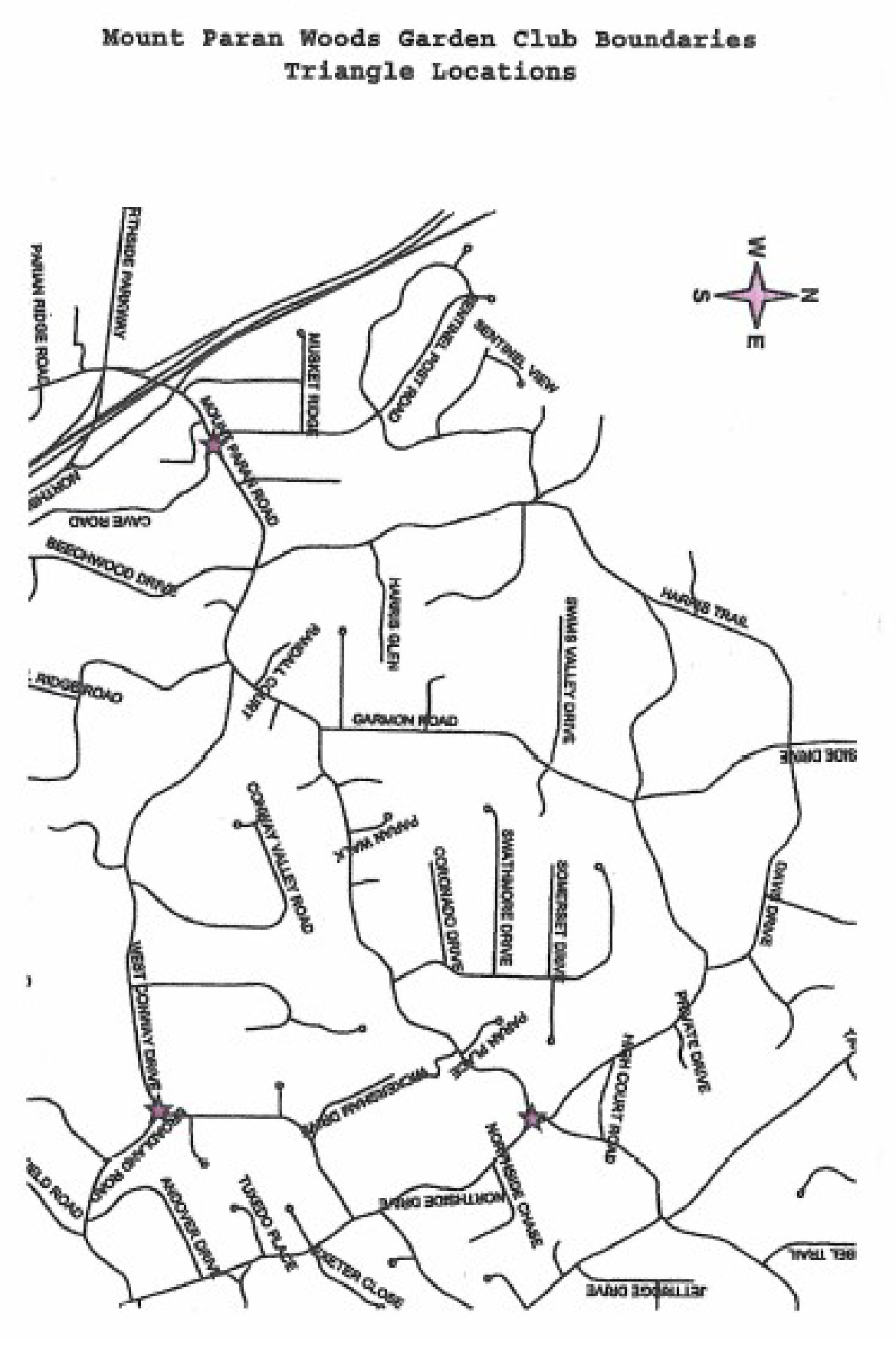
Active Membership in the corporation is open to any natural person: (1) who resides in the area defined by the boundary described in Addendum "A" to these by-laws and as shown as the area indicated on the map attached as Addendum "B"; (2) who successfully completes the prospective membership program set out below; and (3) who has paid the requisite fees and dues is to be considered an active member in good standing and may exercise voting rights in the Corporation, as defined in this Title 2 of the by-laws. The number of Active Members shall be limited to forty (40) members. If Social Members wish to return to Active Member status, the Social Members may be added until the Active Member roll reaches forty (40). Other than residency limitations, there shall be no restrictions due to race, color, national or ethnic origin, gender, age, or religious considerations. An exception to these geographical lines can be made by a majority vote of the Executive Board. If there is a waiting list, the out-of-area applicant will be placed at the bottom of the existing waiting list and will then move up on the list as openings become available.
2.2. Application and Election to Active Membership
Any natural person interested in election to Active Membership in the Corporation will submit a completed written application for membership on a form established by the Membership Chair and approved by the officers. Each prospective Active Member must send at least one (1) meeting as a guest before consider for Active Membership. Furthermore, each prospective Active Member shall be sponsored by no less than three (3) Active Members in good standing who shall be considered the sponsor and co-sponsors. The written application may be presented at the meeting the prospective member attends or subsequent to the meeting, but it may not be presented before the prospective member attends a meeting. Invitation for membership may be issued by the Corporation through the Membership Chairman after the majority approval by the active membership. Voting may be accomplished in the following manner. The prospective member’s name shall appear on a meeting notification reminder: “Prospective Member’s Name and Complete Address has been proposed for membership by Sponsor’s Name and Co-Sponsor’s Name. To vote “yes” you need to do nothing; to vote “no” call membership Chairman’s Name at Telephone Number of Membership Chairman at least One Week Prior to meeting. Subsequent to election and issuance of invitation the membership by the Membership Chair, the new member must tender payment of dues as specified in section 2.7 of these bylaws to the Membership Chair who shall convey said dues to the Treasurer. If active membership is at capacity, the prospective member’s name shall be added to a waiting list as of the date of submission of the written application. If two or more names are submitted at the same time, they shall be placed on the waiting list by seniority of the sponsor. In the case of the same seniority, the applicants' names shall be placed alphabetically according to the sponsors' names. No member may sponsor more than one name on the waiting list. New members shall be elected in the same order as their names were placed on the waiting list.
2.3. Social Membership Category
Active members may become social members after two years of acceptance into the club if they have served as an officer or committee chair and have co-hosted or hosted or hosted a meeting. Active members may become social members within five years of acceptance into the club if they have co-hosted or hosted a meeting. Social Members wishing to regain active status may do so at any time by written request to the Recording secretary. Social Members requesting to regain active status will be placed at the top of the waiting list for readmission to active status in the event that readmission to active status would cause the number of Active Members to exceed forty (40). Social Members:
(1) Must pay dues by December 1 or membership will be discontinued;
(2) Must support and participate 100% in fund-raising activities;
(3) May elect to help with Landscape Projects supported by the Corporation;
(4) May elect to attend meetings;
(5) May elect to help as a hostess or host;
(6) May not serve on the Executive Board;
(7) May not have voting privileges; and (8) May elect to attend social functions.
2.4. Patron Membership Category
The Patron Membership category is hereby closed to new members effective April 24, 2012. No additional Patron Members shall be admitted after this date. Individuals who were duly designated as Patron members prior to April 24, 2012 shall retain their Patron Membership status for the duration of their membership in the Club. This is a special honorary position for a member that has served the Corporation in a meritorious way beyond the regular duties of membership. Members who were considered for this honorary membership were recommended by the Executive Board for a ballot majority vote by the Active Members. Existing Patron Members
(1) May elect to pay dues;
(2) May elect to support fund-raising activities;
(3) May elect to help with Landscape Projects supported the Corporation;
(4) May elect to attend meetings;
(5) May elect to serve as a hostess or host
(6) May serve on the Executive Board;
(7) Shall have voting privileges; and (8) May elect to attend social functions.
The Executive Board, in bestowing this honor on a member, was guided by the following standard of merits. The member qualified in the majority of these categories;
(1) Shall have served for five (5) years or more as an officer of active committee member;
(2) Shall have open (her) home or served as Chairman of annual parties or fundraising events (such as the Spring Tour of Homes, High Teas…);
(3) Shall have made outstanding contributions of time, labor or financial support; or
(4) Shall have obtained outside interest by special effort.
2.5. Good Standing and Active Status
In order to be an Active Member in good standing, qualified to act in the business of Corporation, such Active Member:
(1) Must pay dues by December 1 or membership will be discontinued;
(2) Must support and participate 100% in fund-raising activities;
(3) Must assist with Landscape Projects supported by the Corporation;
(4) Must attend at least four (4) meetings in one (1) club year;
(5) Must be responsible for being a hostess or co- hostess once a year;
(6) Must be willing to serve on the Executive Board; (7) Shall have voting privileges; and
(8) Shall attend social functions.
(9) An Active Member who experiences extenuating circumstances (i.e. extended illness, extended illness of a spouse or child, temporary relocation [one year or less], or as determined by the Executive Board) may be granted a one-time temporary leave-of- absence for one year with the approval of a 2/3 vote of the Executive Board provided the member continues to pay dues and support the fund raiser, as required.
(10) Must assist with Landscape Projects supported by the Corporation, either by attending a planting session each season or by paying $30.00 for each planting session.
2.6. Suspension from Active Status, Termination
(1) Any membership whose annual fee payment is not received by the Treasurer prior to January 1 of a given year is to be considered suspended from active status without further notice and not in good standing until the annual fees in arrears are paid to the Corporation. If payment is not made by January 1 of that year that particular membership will be automatically terminated by the Membership Chairman, and the members(s) stricken from the membership roster without further notice. Any member who has been either suspended or terminated has no voting rights, and remains obligated to the Corporation for any charges, assessments, dues fees or amount that is outstanding as of the date the membership is suspended or terminated.
(2) Any membership may be terminated only for stated cause other than for failure to pay the annual fee only by a procedure that is fair, reasonable and carried out in good faith. Motions to terminate membership are initiated by the Executive Board. At least thirty (30) days prior to the membership meeting at which the board plans to present its action for termination, the board shall send a notice via first class mail to the person whose membership it proposes to terminate, advising that member of the intended action, stating the reasons termination of membership is proposed, and providing to the member a full opportunity to respond to the statement provided to the board, and for the right to be heard by the board before any vote is taken. Any member who has been terminated remains obligated to the Corporation for any charges, assessments, dues fees or amount that is outstanding as of the date the membership is terminated.
2.7. Dues Assessment
(1) The initial dues paid with the application for election to regular membership are as follows: One hundred sixty Dollars ($160.00) per
Year (June 1st through May 31st)
(2) The annual fees paid by each regular membership for each calendar year after the calendar year that membership is elected are as follow:
One hundred sixty Dollars ($160.00) per Year (June 1st through May 31st)
(3) Dues for new members shall be the full amount for those coming in before January 1st, and one-half the full amount for those coming in after January 1st.
(4) The annual fees paid by each social membership for each calendar year are as follows: One hundred ninety Dollars ($190.00) per year (June 1st through May 31st)
2.8. Resignation from Membership
Any member of the Corporation may resign their membership in the Corporation by written notice to the Secretary, with no refund, rebate, or rescission of dues or fees. Any member who resigns his membership remains obligated to the Corporation for any charges, assessments, dues, fees or amount that is outstanding as of the date the member resigned.
Title 3. Corporation Membership Meetings
3.1. Location of meetings
Any annual, regular or special meeting of the membership of the Corporation may be held at any place in the United States. Although the designation of a usual meeting date, time or location is reserved to the membership of the Corporation, the Executive Board may determine a different location for a particular meeting as circumstances warrant.
3.2. Annual meeting: date
The annual meeting of the Corporation is held on the fourth (4th) Tuesday in May, unless the membership of the Corporation at a prior regular or special meeting designate a different time or date in November for a particular year. Any matter relating to the affairs of the Corporation, whether or not stated in any notice of the annual meeting, may be brought up for action by the membership, except for any matter for which prior notice is required by the articles of incorporation, these bylaws, or the Code. As required by the Code, the membership is to receive reports from the President concerning the activities of the Corporation, and from the Treasurer concerning the financial condition of the Corporation.
3.3. Regular Meetings; Date and Time
There shall be at least eight (8) regular meetings of the Corporation to be held on fourth (4th) Tuesday of every month, beginning in September of each year, with the last regular meeting being held in May unless the membership of the Corporation at any prior annual, regular, or special meeting, or in the event of unforeseen circumstances, the board of directors, designate a different date in that month for a particular regular meeting. Meetings shall be held at ten o’clock (10:00 am) at the homes of members. Sufficient prior written notice under Section 3.5 of these bylaws will be provided to all members in good standing of the Changed meeting date. Any matter relating to the affairs of the Corporation, whether or not stated in any notice of the regular meeting, may be brought up for action by the membership, except for any matter for which prior notice is required by the articles of incorporation, these bylaws, or the Code. The meetings for November and December shall be scheduled at the discretion of the President.
3.4. Special Meetings, How Called
Special meetings of the Corporation may be called for any purpose whatsoever, at any other time by: (1) the President, (2) Vice President, or (3) Any three members of the Executive Board. The purpose of each special meeting must be stated in the notice. The notice of any special meeting is to be sent to all members in good standing under Section 3.5 of these bylaws. If notice is not given to the membership of the date, time, place, and purpose of the special meeting within thirty days after a sufficient number of directors or members have demanded a special meeting, any reasonable manner, setting forth the date, time, place and purpose of the special meeting.
3.5. Notice of Meetings
The Corresponding Secretary will give notice of the time, date and location of each meeting of the membership of Corporation not less than fourteen (14) days before the scheduled meeting date. Normally, the notice is to be sent by mail to the address of each member in good standing as reflected by the Corporation’s membership roster. Valid notice may be made by postcard, if mailed first class at least fourteen (14) days prior to the scheduled meeting date when mailed by first class, or fourteen (14) days prior to the scheduled meeting date if transmitted by any other means such as email. Any notice mailed first class shall be considered effective upon dispatch, or when received, if transmitted by any other means. In emergencies where ten days' notice cannot be given, notice may be made by any reasonable means if made to all members in good standing as directed by the Executive Board. A notice of an annual, special or regular meeting must include a description of any proposal that is required to be approved by the members under the Code, including proposals to: (a) determine that the reimbursement of the judgment and expenses of litigation of a current or former officer is appropriate under the Code; (b) approve a transaction where a director has an interest conflicting with the Corporation under the Code; (c) amend the articles of incorporation under the Code; (d) amend the bylaws under the Code, except as limited in these bylaws; (e) merge the Corporation with another entity pursuant to the Code; (f) sell all or substantially all of the assets of the Corporation in other than the usual course of business under the Code; (g) dissolve and terminate the Corporation under the Code; (h) take an action that a member intends to present at a membership meeting, and that member has requested that notice be given to the membership in the notice of meeting by a writing tendered to the President or Secretary at least ten days prior to the dispatch of the written notice of meeting; and (i) remove an officer from office when required by these bylaws. Any required notice may be waived by a member as permitted under the Code; and any member may object to the failure of sufficient notice of the meeting, or of a matter brought before a meeting, as permitted by the Code.
3.6. Quorum at Meetings
The presence of a majority of the Active Members in good standing and entitled to vote constitutes a quorum for the transaction of business at meetings of the Corporation. Once a quorum is established at any meeting of the Corporation, it is presumed to exist for the balance of that meeting. As permitted by the Code, the presence of twenty percent of the regular members in good standing and entitled to vote permits the membership to consider any matter at an annual or regular meeting or which prior notice of the matter is not specifically required by the Code.
3.7. Membership Voting
Unless otherwise provided in the articles of corporation, these bylaws, the procedural reference authority or the Code, the affirmative vote of a majority of those members casting a vote on a matter, in the presence of a quorum, is necessary to the adoption of a motion. Unless otherwise provided in the articles of corporation, these bylaws, the procedural reference authority or the Code, the affirmative vote of a plurality of members casting a vote in an election, in the presence of a quorum, is necessary to the election of nominee for any position in the Corporation.
3.8. Mail or Emailing Voting
Any matter which may be acted upon by the membership or the Executive Board of the Corporation may be submitted to a vote of the membership by mail or email. A mail or email vote may be initiated by (1) action of the Executive Board or (2) at the direction of the membership of the Corporation approved at any annual, regular or special meeting of the Corporation. A mail or email ballot on the particular issue, with all pertinent information, is to be emailed or mailed first class to each member when in good standing within ten (10) days after the mail or email ballot is initiated, at each member’s address as recorded in the membership roster of the corporation. To be counted in the official tally of the mail or email ballots, the mail or email ballots shall be returned to the Secretary within twenty-two (22) days after the postmark date on the ballots. At the time the ballots are due, the Secretary will promptly ascertain and certify the result of the mail or email ballot. For the proposition to pass, or the section to be valid, a sufficient number of ballots equal to the number necessary for a quorum must be returned to the Secretary. Unless otherwise provided in the articles of incorporation, these bylaws, the procedural reference authority or the Code, the affirmative vote of a majority of those members casting a ballot on a matter, with a quorum of ballots cast, is necessary to the adoption of a action. Unless otherwise provided in the articles of incorporation, these bylaws, the procedural reference authority or the Code, the affirmative vote of a plurality of members casting a vote in an election, with a quorum of ballots cast is necessary to the election of a nominee for any position in the Corporation. Thereafter the Secretary will announce the results at the next meetings of the Executive Board and of the membership. The board is authorized to adopt such procedures or rules as is reasonable and necessary to insure the integrity of the mail or email ballot procedure.
3.9. Corporation Committees
There shall be eleven (11) standing committees of the Corporation together with such temporary committees as may be created by action of the Executive Board. The standing committees shall be: Public Relations, Hospitality, Landscape, Projects, Yearbook, Scrapbook, Budget,Ways and Means, Sunshine, Membership, Program and Annual Party. The charge of each standing committee is reflected within this section of these bylaws. The Executive Board is to designate the chair of each standing committee. The charge and chair of each temporary committee will be stated in the motion creating a temporary committee. The chair of each committee will appoint the remaining members of that committee; unless its full membership is designated at the time a temporary committee is created. Each committee will report regularly to the Executive Board and to the membership of the Corporation at meetings, and make any recommendation to the Executive Board and the membership as it determines to be appropriate. The chair and membership of each committee serve at the pleasure of the appointing authority. Each standing committee is to be established by the inclusion of its name, charge and appointing authority in the following paragraphs of this section, and adopted in accordance with Section 7.2 of these bylaws:
(1) Public Relations Committee. The Chair of this committee is responsible for writing articles for newsletters, newspapers, and our website.
(2) Hospitality Committee. The chair of this committee is responsible for designating homes and hostesses/hosts for each of the meetings, and notifying all hostesses/hosts prior to the meetings. This committee is also responsible for giving this information to the Corresponding Secretary with any other pertinent information three weeks prior to each meeting.
(3) Landscape Projects Committee. The chair of this committee is responsible for the following:
a) Seeing that all landscape projects are maintained within the amount set in the budget
b) Submitting major renovation proposals to the Corporation for approval
c) Selecting individual chairmen for each project who will assist her as directed and
d) Hiring professional help for spring and fall refurbishing of Corporation projects.
(4) Yearbook Committee. The chair of this committee is responsible for putting together a new yearbook which shall consist of the bylaws, committees, programs, hostesses/hosts, membership roster, etc. This yearbook is to be completed by the September meeting. It is to be distributed to the membership by the Treasurer after receipt of individual dues.
(5) Scrapbook Committee. The chair of this committee is responsible for keeping and compiling the Corporation scrapbook and for collecting news items, taking pictures of project activities, parties, etc., pertaining to the Corporation. The chair of this committee is also responsible for presenting the scrapbook, in updated form, to the incoming Scrapbook Chairman at the September meeting.
(6) Budget Committee. Together with the current President, past President, Treasurer and Landscape Projects Chairman (past and present), the chair of this committee is responsible for presenting to the Corporation a working budget. A typed copy of the budget is to be given to the President and a copy of the budget shall be presented to the membership for approval at the September meeting. The Treasurer of the Corporation shall chair this committee, unless otherwise established.
(7) Ways and Means Committee. The chair of this committee is responsible for presenting ideas for fund-raising programs to the membership, for approval at the September meeting. All Active Members and Social Members must actively participate in projects accepted by the membership. The chair of this committee may appoint co-chairmen to provide assistance on specific projects.
(8) Sunshine Committee. The chair of this committee is responsible for contacting any member who is in need and to present to the member with a card and/or gift, as deemed appropriate. .
(9) Membership Committee. The chair of this committee is committee is responsible for the following
a) Organizing membership luncheons when needed;
b) Distributing membership applications to prospective members;
c) Receiving applications from prospective members;
d) Maintaining the order of the prospective membership list;
e) Conducting the election of new members at monthly club meetings; and
f) Mailing or emailing written invitations to prospective members who have been approved for membership in the Corporation. The chair of this committee shall also serve as Patron Chair for presenting candidates for patron status.
(10) Program Committee. The Vice President serves as the chair of this committee which is responsible, in conjunction with the President, for planning and recruiting programs for the monthly meetings in accordance with the amount set in the budget. These programs should be presented to the yearbook Chairman in August.
(11) Annual Party Committee. The chair of this committee is responsible for organizing the annual party for members and their guests. The Executive Board may expand the charge of any committee generally or for a specific project when circumstances warrant.
3.10 Written Consent Action by Members
Any action required by law, or permitted to be taken at any meeting of the members of the Corporation, may be taken without a meeting, if a written consent, setting forth the action so taken, is signed by a majority of the members. This consent is the equivalent to a vote of the members during a meeting with a quorum, and is to be filed and recorded with the minutes of the Corporation’s members. No action shall be effective under this action until ten days after notice is given to those members of the Corporation who did not sign the written consent.
Title 4. Executive Board
4.1 Establishment and Function
The Corporation is managed by a governing body known as the “Executive Board”. As used in these bylaws, a reference to the “board” refers to the entire board collectively or to a member of the board generically. The Executive Board conducts its proceedings as provided in the articles of incorporation, these bylaws and the Code. There are no regular meetings for the Executive Board, but Executive Board meetings may be called by the President between regular meetings when deemed necessary.
4.2. Composition and Term
The Executive Board is composed of the five (5) officers and the chairs of the eleven (11) standing committees for an annual term beginning each year on September 1 and ending on May 31 and until their respective successors are elected and installed. Only the officers are elected by the membership of the Corporation by ballot at the annual meeting of the Corporation.
4.3. Election, Nomination and Qualifications
The annual election of officers by the membership will be conducted in accordance with the procedures outlined in the Title or elsewhere in these bylaws, and the following:
(1) The five officers are designated as (a) the President, (b) the Vice President, (c) the Corresponding Secretary, (d) the Recording Secretary and (e) the Treasurer who are elected by the membership. Election of all positions is by plurality.
(2) The Nominating Committee will compile nominations for each officer, and may make nominations in its own right. Nominations may be made by any Active Member in good standing, including selfnominations, or by the Nominating Committee. No nomination will be placed on the annual election ballot unless: (a) the nominee is an Active Member in good standing, (b) the nominee is eighteen years of age, as required by the Code, and (c) the nominee has affirmatively consented to the nomination, or has elected one nomination, if proposed for more than one office.
(3) Nominations will be accepted by the committee between March 1 and April 14. All nominations will be verified not later than April 15. The final list of nominees will be submitted to the Secretary no later than April 15.
(4) The election is to be conducted by ballot in the April meeting. All ballots must be received no later than thirty (30) minutes prior to the end of the April meeting. At the designated time, the Secretary, or the designee of the Secretary shall promptly proceed to ascertain and certify the results of the election, and announce these results at the end of April meeting. If the Secretary cannot be at the Annual Meeting, a Board member shall be named by the President to conduct the Secretary’s duties at that meeting. The Executive Board is authorized to adopt any procedures or rules reasonably necessary to insure the integrity of the election.
4.4. Powers
(1) The Executive Board may exercise all powers granted to it as they determine to be expedient and necessary for the interests of the Corporation, subject to the articles of incorporation, these bylaws, or the Code, and the review and direction of the membership of the Corporation.
(2) If some catastrophic event occurs that includes the Corporation or the Executive Board from assembling, then those members of the board who are capable of assembling, either in person or through a communications system permitted all of the participants to hear each other, shall convene as required and take any necessary action to preserve the Corporation until the emergency ceases. Quorum shall consist of one-half of the members of the board who participate in the initial emergency session. Each emergency session shall be convened by any manner of notice reasonable, prudent or practicable in the circumstances. The available members of the board for the Corporation until the emergency conditions cease. The acting board of directors may exercise any and all emergency powers authorized under the Code, in the name of the Corporation, without regard to requirements of membership approval, if the action taken is reasonable necessary during the presence of emergency conditions.
4.5. Use of Contemporaneous Communications Systems for Board Meetings
The Executive Board, or any Corporation committee, may utilize a contemporaneous communications system in which all participation in the meeting can hear each other and participation in a meeting by this system constitutes the presence of the participant at the meeting.
4.6. Voting: Quorum
Each member of the Executive Board has one vote on the board. Once quorum is established, all matters put to a vote before the board will require the affirmative vote of a majority voting on the matter, in the presence of a quorum, unless a greater majority is required by these bylaws, the articles of incorporation or the Code. The participation of a majority of the members of the board, whether present in person or through a contemporaneous communications system, constitutes a quorum of the board in order to conduct business. In the event that fewer than a majority, but at least onethird of the board are participating, then the board is authorized to consider and make recommendations on any matter action upon which is viewed as appropriate in the circumstances for action by the membership either at a meeting, by mail ballot or by written consent, or to call a special meeting of the membership as provided in Section 3.4.
4.7. Removal of Officer
One or more officers, may be removed by the affirmative vote of a majority of the membership of the Corporation present and voting on removal at a regular or special meeting of the Corporation membership, and where notice of a member’s intention to present a motion for removal has been given to the membership pursuant to Section 3.5 of these bylaws. A separate vote on removal must be made as to each officer proposed for removal; and the motion may be voted upon by mail ballot under Section 3.9 of these bylaws.
4.8. Vacancies
(1) When an officer vacancy occurs, or will occur, prior to the date the term of office expires, then that vacancy may be filled by the vote of the membership at the next regular or special meeting of the membership. The Nominations Committee will reconvene to accept, propose, verify and certify nominees for the special election after the vacancy is created. Mail or email balloting may be utilized only if the period for returning ballots can be completed prior to the next membership meeting, with a fifteen day response period after the ballots are mailed or emailed for the return of ballots to the Secretary. Otherwise, a special election will be conducted at the first membership meeting after the vacancy is noticed or has occurred.
(2) When a committee chair vacancy occurs, the President may appoint a new committee chair to serve the balance of the unexpired term.
4.9. Duties of Corporation Officers
(1) The President presides at all meetings of the Executive Board and the membership of the Corporation. The President shall appoint all committee chairmen, and shall be an exofficio member of all committees. The President may appoint a committee to provide assistance in selecting committee chairmen for a new Corporation year. The President shall make a written report of the work of the Corporation at the annual May luncheon, a copy of which shall be placed in the President's Book and a copy attached to the minutes of the May meeting.
(2) The Vice President shall preside at all meetings of the Executive Board or the membership of the Corporation in the absence of the President, shall act as Program Chairman, and shall assume the office of President the following year.
(3) The Recording Secretary shall maintain and provide access to the records of the Corporation as required by the Code.
Furthermore, the Recording Secretary shall:
a. Keep accurate minutes of all meetings;
b. Keep accurate attendance records;
c. Notify active members who have missed four (4) meetings;
d. Contact all members between May 31 and September 1 as to membership status preference for the upcoming corporate year.
(4) The Corresponding Secretary shall:
a. Conduct all corporate correspondence;
b. Keep record of form letters;
c. Mail or email invitations to all social functions; and
d. Email or mail a postcard two (2) weeks prior to each meeting with information pertaining to the meeting to all Active Members, Social Members, and Patron who wish to be notified. The Corresponding Secretary shall include on September through November notices the phrase: “Dues are now due”.
(5) The Treasurer maintains the financial records of the Corporation. The Treasurer shall:
a. Keep accurate account of all funds received and disbursed;
b. In November of each year, notify all Active Members and Social Members who have not paid their dues that their membership will be discontinued if dues are not paid by December 1st
c. After December 1st, notify all Active Members and Social Members who have not paid their dues that their membership has been discontinued;
d. Serve on the Budget Committee; and
e. Distribute the Yearbook to the individual member after receipt of their dues.
4.10. Financial Regulations
This section outlines certain policies and practices as to the financial procedures of the Corporation:
(1) Any expenditure, totaling five hundred dollars ($500.00) or more of Corporation funds, may not be made unless approved by the membership of the Corporation, or unless the expenditure is part of an on-going project approved by the membership of the Corporation.
(2) No other expenditure may be made unless approved by the board of director or the membership.
(3) Expenditures from a special account, based on revenues into that account for a designated project or activity are subject to review only by the supervising committee, but the status of the account will be regularly reported to the board of directors and the membership.
(4) The signatory on any bank account and the depository institution for that account is established by the board of directors by an appropriate resolution.
(5) Any director, committee chairman, committee member, or member of the Corporation may be reimbursed for their actual and necessary expenses when reasonably incurred on behalf of the Corporation. No director, committee chairman, committee member, or member of the Corporation may receive any salary, fees, compensation, commission or other payment for rendering specific services to the Corporation.
(6) The Corporation’s fiscal year is from June 1st until May 31st.
4.11. Limitation on Service
No person may simultaneously hold more than one major position in the Corporation. For the purpose of this limitation, a “major position” only includes the offices of President, Vice President, Recording Secretary, Corresponding Secretary, or Treasurer.
Title 5. Indemnification
5.1. Limitation on Service
A. Authority to Indemnify. Except as otherwise provided in this section, the Corporation may indemnify an individual who is a party to a proceeding (whether threatened, pending or completed action, suit or proceeding, and whether civil, criminal, administrative, arbitrative, or investigative, and whether formal or informal) because he or she is or was a director against liability to pay a judgment, settlement, penalty, fine (including the obligation to pay an excise tax assessed with respect to an employee benefit plan), or reasonable expenses, including counsel fees, incurred with respect to the proceeding if:
(1) Such individual conducted himself or herself in good faith; and
(2) Such individual reasonably believed:
a) In the case of conduct in his or her official capacity as a board member of the Corporation, that such conduct was in the best interests of the Corporation;
b) In all other cases, that such conduct was at least not opposed to the best interests of the Corporation; and
c) In the case of any criminal proceeding, that the individual had no reasonable cause to believe such conduct was unlawful.
Further, the termination of a proceeding by judgment, order, settlement, or conviction, or upon a plea of nolo contendere or its equivalent is not, of itself, determinative that the director did not meet the standard of conduct described in this section. The Corporation may not indemnify a member of the board under this section in connection with a proceeding by or in the right of the Corporation, except for reasonable expenses, including counsel fees, incurred in connection with the proceeding if it is determined that the director has met the relevant standard of conduct under this section, or in connection with any other proceeding with respect to conduct for which the member of the board was adjudged liable on the basis that a personal benefit was improperly received by him or her, whether or not involving action in his or her official capacity as member of the board of the Corporation.
B. Mandatory Indemnification. The Corporation shall indemnify a member of the board who was wholly successful, on the merits or otherwise, in the defense of any proceeding (whether threatened, pending or completed action, suit or proceeding, and whether civil, criminal, administrative, arbitrative, or investigative, and whether formal or informal) to which the director was a party because he or she was a member of the board of the Corporation against the reasonable expenses, including counsel fees, incurred by the member of the board in connection with the proceeding.
C. Advance for Expenses. Before the final deposition of a proceeding (whether threatened, pending or completed action, suit or proceeding, and whether civil, criminal, administrative, arbitrative, or investigative, and whether formal or informal), the Corporation may advance funds to pay for or reimburse the reasonable expenses, including counsel fees, incurred by a member of the board who is a party to that proceeding because he or she is a member of the board if he or she delivers to the Corporation:
(1) A written affirmation of his or her good faith belief that he or she has met the relevant standard of conduct described in paragraph A of this Section 5.1 (and in O.C.G.A. ' 14-3-851), or that the proceeding involves conduct for which liability has been eliminated under a provision of the articles of incorporation (as authorized by O.C.G.A. 14-3- 202(b) (4)); and
(2) His or her written undertaking to repay any funds advanced if it is ultimately determined that the director is not entitled to indemnification under the provisions of Part 5 of Article 8 of the Georgia Business Corporation Code or under these bylaws. This undertaking must be an unlimited general obligation of the member of the board but need not be secured and may be accepted by the Corporation without reference to the financial ability of the director to make repayment.
Authorizations under this section shall be made by the Executive Board: (a) where there are two or more disinterested members of the board, by a majority vote of all of the disinterested members of the board (a majority of whom shall for such purpose constitute a quorum) or by a majority of the members of a committee of two or more disinterested members of the board appointed by such a vote, or (b) when there are fewer than two disinterested directors, then by the affirmative vote of a majority of a majority of directors present, in the presence of a quorum, unless the vote of a greater number of directors is required for action by the board (in accordance with O.C.G.A. § 14-3-824 (c)) and in which authorization directors who do not qualify as disinterested members of the board may participate.
D. Court-Ordered Indemnification or Advance for Expenses.
A member of the board who is a party to a proceeding (whether threatened, pending or completed action, suit or proceeding, and whether civil, criminal, administrative, arbitrative, or investigative, and whether formal or informal), because he or she is a member of the board may apply for indemnification or advance for expenses including counsel fees) to the court conducting the proceeding or to another court of competent jurisdiction. After receipt of the application and after giving any notice it considered necessary, the court shall order indemnification or advance for expenses if it determines:
(1) That the member of the board is entitled indemnification under this Section 5.1, or
( 1 ) In view of all of the relevant circumstances, that it is fair and reasonable to indemnify or advance expenses to the member of the board, even if the director has not met the relevant standard of conduct in paragraph A of this Section 5.1, or failed to comply with the procedure in paragraph C of this Section 5.1, or was adjudged liable in a proceeding by or in the right of the Corporation, except for reasonable expenses, including counsel fees, incurred in connection with the proceeding if it is determined that the member of the board has met the relevant standard of conduct under this section, or in connection with any other proceeding with respect to conduct for which the member of the board was adjudged liable on the basis that a personal benefit was improperly received by him or her, whether or not involving action in his or her official capacity as a member of the Executive Board of the Corporation.
If the court determines that the member of the board is entitled to indemnification or advance for expenses, it may also order the Corporation to pay the member of the board's reasonable expenses, including counsel fees, to obtain court-ordered indemnification or advance for expenses.
E. Procedure for Determination. The Corporation may not indemnify a member of the board under Paragraph A of this Section 5.1 unless authorized under the terms of Paragraph A of this Section 5.1, and a determination has been made for a specific proceeding (whether threatened, pending or completed action, suit or proceeding, and whether civil, criminal, administrative, arbitrative, or investigative, and whether formal or informal), that indemnification of the member of the board is permissible in the circumstances because the member of the board has met the relevant standard of conduct set forth in Paragraph A of this Section 5.1. The determination shall be made:
(1) If there were two or more disinterested members of the board, by the board of directors by a majority vote of all of the disinterested members of the board (a majority of whom shall for such purpose constitute a quorum) or by a majority of the members of a committee of two or more disinterested members of the board appointed by such a vote);
(2) By special legal counsel selected in the manner described in paragraph (1) of this subparagraph or, if there are fewer than two disinterested directors selected by the Executive Board (in which selection members of the board who do not qualify as disinterested members of the board may participate); or
(3) By the members, but a member of the board who at the time does not qualify as a disinterested member of the board may not vote on the determination.
Authorization of indemnification or of an obligation to indemnify and the evaluation as to the reasonableness of expense, including counsel fees, shall be made in the same manner as the determination that indemnification is permissible, except that is there are fewer than two disinterested members of the board or if the determination is made by special legal counsel, the authorization of indemnification and the evaluation as to the reasonableness of expenses shall be made by those members of the board who could select special legal counsel (when there are fewer than two disinterested members of the board) under subparagraph (2) of this section.
F. Authorization of Indemnification Proceeding Statutory Levels.
This section authorizes the Corporation to indemnify or obligate itself to indemnify a member of the board made a party to a proceeding (whether threatened, pending or completed action, suit or proceeding, and whether civil, criminal, administrative, arbitrative, or investigative, and whether formal or informal), including a proceeding brought by or in the right of the Corporation, without regard to the limitations contained in Part 5 or Articles 8 of the Georgia Nonprofit Corporation Code, or of other provisions of this Section 5.1, but the shares owned or voted under the control of a director who at the time does not qualify as a disinterested director with respect to any existing or threatened proceeding that would be covered by the authorization may not be voted with respect to the authorization. The Corporation shall not indemnify a member of the board under this section for any liability incurred in a proceeding in which the member of the board is adjudged liable to the Corporation or is subjected to injunctive relief in favor of the Corporation for:
(1) Any appropriation, in violation of the member of the board’s duties, of any business opportunity of the Corporation,
(2) Acts or omissions which involve intentional misconduct or knowing violation of law,
(3) The types of liability respecting improper corporate distributions under O.C.G.A. 14-3-831, or
(4) Any transaction from which the member of the board received an improper personal benefit.
Before the Corporation may advance or reimburse expense of a member of the board prior to the final disposition of a proceeding, as approved or authorized under this section, the member of the board is to furnish to the Corporation a written affirmation of his or her good faith belief that his or her conduct does not constitute behavior described in the preceding sentence of this section and furnishes. to the Corporation a written undertaking executed personally or on his or her behalf, to repay any funds advanced if it is ultimately determined that the member of the board is not entitled to indemnification under this section.
G. Insurance. The Corporation may purchase and maintain insurance on behalf of each individual who is an officer, employee, or agent of the Corporation, against liability asserted against or incurred by him or her in that capacity or arising from his or her status as an officer, employee, or agent, whether or not the Corporation would have power to indemnify or advance expenses to him or her against the same liability under this Article.
H. Prior Obligation to Indemnify or Advance Expenses. Pursuant to the provisions of O.C.G.A. 14-3-858, the Corporation is authorized to obligate itself in advance of the act or omission giving rise to a proceeding (where threatened, pending or completed action, suit or proceeding, and whether civil, criminal, administrative, arbitrative, or investigative, and whether formal or informal), to provide indemnification or advance funds to pay for or reimburse expenses of an officer, employee or agent to the fullest extent permitted by the laws of Georgia. The Corporation has power to pay or reimburse an officer in connection with his or her appearance as a witness in a proceeding (whether threatened, pending or completed action, suit or proceeding, and whether civil, criminal, administrative, arbitrative, or investigative, and whether formal or informal), at a time when he or she is not a party. Further, except to the extent limited in Paragraph G of this Section 5.1, this Section 5.1 does not otherwise limit the Corporation’s power to indemnify, advance expenses to, or provide or maintain insurance on behalf of an employee or agent.
I. Definitions for Section. As used in this Section 5.1, unless the context clearly requires a different meaning, the term:
(1) ”Corporation” Includes any domestic or foreign predecessor entity of Mt. Paran Woods Garden Club, Inc.;
(2) ”Officer” means an individual who is or who was an officer. Further, unless the context otherwise requires, “officer” includes the estate or personal representative of an officer
(3) ”Disinterested Board Member” means a board member who at the time of a vote or other action by the Executive Board of the Corporation is not a party to the proceeding; or is an individual who is a party to a proceeding having a familial, financial, professional, or employment relationship with the board member whose indemnification or advance for expenses is the subject of the decision being made with respect to the proceeding, which relationship would, in the circumstances, reasonably be expected to exert an influence on the board member’s judgment when voting on the decision being made.
(4) “Expenses” includes counsel fee.
(5) “Liability” means the obligation to pay a judgment, settlement, penalty, fine (including an excise tax assessed with respect to an employee benefit plan), or reasonable expenses incurred with respect to a proceeding.
(6) “Official capacity” means when used with respect to an officer, as contemplated in paragraph (G) of this Section 5.1, the office in the Corporation held by the officer. “Official capacity” does not include service for any other domestic or foreign corporation or any partnership, joint venture, trust, employee benefit plan, or other entity.
(7) “Party” means an individual who was, is, or is threatened to be made a named defendant or respondent in a proceeding.
(8) “Proceeding” any threatened, pending or completed action, suit or proceeding, whether civil, criminal, administrative, arbitrative, or investigative, and whether formal or informal.
5.2. Procedures Where Board Member Has Conflicting Interest in Transaction.
The provisions of Part 6 of Article 8 of the Code, relating to rules governing the procedures to be applied where a director has a conflicting interest in a transaction involving the Corporation by this reference as a bylaw of the Corporation.
5.3. Sales of Assets Outside Regular Course of Business
The provisions of Article 12 of the Code, relating to the sale of all, or substantially all of the assets of the Corporation outside the regular course of business, is adopted by the Corporation by this reference, as a bylaw of the Corporation.
5.4. Records To Be Kept; Right of Inspection by Members
The provisions of Article 16 of the Code, relating to the records of the Corporation, and the right of members to inspect, copy or review the Corporation’s records, is adopted by the Corporation by this reference, as a bylaw of the Corporation. The board or the membership may adopt any needful rules or regulation necessary to implement these provisions.
Title 6. Amendments
6.1. Amendments to Articles of Incorporation
To amend the Articles of Incorporation, a written notice of the proposed amendment shall be sent to the membership and presented at the next meeting and voted on at that time. A majority affirmative vote of the Active Members shall be necessary for amendment. Once adopted, no change is effective until it is filed with the Georgia Secretary of State as required by the Code.
6.2. Amendments to Bylaws
To amend these bylaws, a written notice of the proposed amendment shall be sent to the membership and presented at the next meeting and voted on at that time. A majority affirmative vote of the Active Members shall be necessary for amendment. Once adopted, any change to these bylaws is immediately effective, unless some later date is designated in the proposal.